
Termite treatment techniques in Abu Dhabi, as in many other regions, typically involve a combination of preventive measures, chemical treatments, and ongoing monitoring. Here are some common termite treatment techniques:
Soil Treatment:
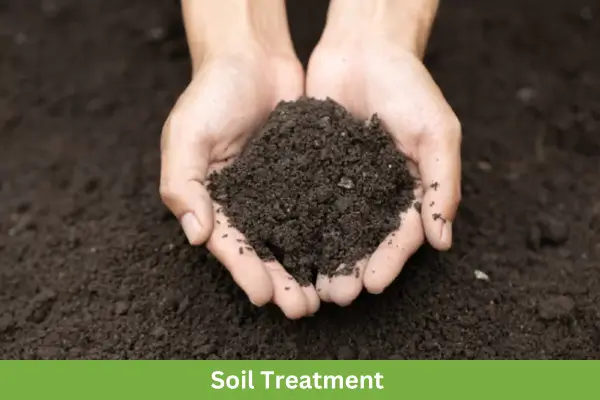
Termiticides: Applying liquid termiticides to the soil around and beneath the building’s foundation can create a barrier that repels or kills termites. This is often done during the construction phase or as a preventive measure.
Trenching and Drilling: Trenching around the foundation and drilling into the foundation walls to inject termiticides can create a protective barrier.
- Related Post: The Importance of Pre-Construction Termite Treatment
Bait Stations for Termite Treatment:
Installing termite bait stations around the perimeter of the property. These stations contain a slow-acting toxic substance that termites take back to their colonies, effectively controlling the termite population.
Wood Treatment:
Treating wooden structures, especially those in direct contact with the soil, with termiticides can prevent termite infestations.
Pre-Construction Termite Treatment:
Treating the soil before construction begins to create a protective barrier against termites. This is a common practice in many areas to prevent termite infestations in new buildings.
Physical Barriers for Termite Treatment:
Installing physical barriers such as metal mesh or sand particles beneath and around the foundation to prevent termites from gaining access to the building.
Regular Inspections:
Conducting regular termite inspections to detect any early signs of infestation. Early detection allows for prompt treatment, reducing potential damage.
Moisture Control:
Termites are attracted to moisture. Proper drainage and ventilation can help control humidity levels, making the environment less favorable for termites.
- Related Post: How to Choose a Best Pest Control Company In Abu Dhabi
Professional Pest Control Services:
Engaging the services of professional pest control companies in Abu Dhabi that specialize in termite control. These experts can assess the extent of infestation and recommend suitable treatments.
How to Choose the Right Termite Treatment Technique
The right technique depends on your property and on how serious the termite problem is. A method that works well for a villa may not suit an apartment, and a small infestation needs a different approach from a large one.
Villas usually have gardens, soil around the foundation, and wooden doors or fences in direct contact with the ground. For villas, soil treatment and bait stations often work well, because termites enter the building from the soil. Apartments are different. The infestation may come from a neighbouring unit or through shared walls and pipes, so wood treatment and targeted treatment of the affected areas are often more practical.
The level of infestation also matters. If termites are found in only one or two spots, a localised treatment, such as treating the affected wood or placing bait stations nearby, may be enough. If the infestation has spread through the building, a full soil barrier treatment combined with baiting usually gives better protection.
In many cases, professionals combine two or more techniques. For example, soil treatment protects the foundation, while bait stations reduce the colony over time. A proper inspection before treatment helps you choose the right combination. If you are planning a full anti-termite treatment in Abu Dhabi, ask the company to inspect first and explain which techniques they recommend for your property.
How Long Does Each Termite Treatment Technique Last?
Each technique lasts for a different length of time. How long the protection lasts also depends on the soil, the weather, and whether the treated area is disturbed later.
A liquid soil treatment creates a chemical barrier in the ground. When it is applied correctly and the soil is left undisturbed, this barrier can protect a building for several years. Digging, landscaping work, or plumbing repairs near the foundation can break the barrier, so treated zones should be checked from time to time.
Bait stations work in a different way. They do not create a barrier. Instead, they slowly reduce and eliminate the colony as termites feed on the bait and carry it back to the nest. Baiting keeps working only while the stations are in place and are checked and refilled regularly, so it needs ongoing monitoring.
Wood treatments protect the timber they are applied to. Surface treatments and borate-based products can protect wood for a long time, especially indoors where the wood stays dry. Wood that is exposed to rain or constant moisture may need re-treatment sooner. Regular inspections help confirm that every technique is still doing its job.
There is no permanent, one-time solution that lasts forever. Even the best treatment should be supported with yearly inspections, so any new termite activity is found and treated early.
Safety Precautions During Termite Treatment
Termite treatments use strong chemicals, so safety steps are important for your family, your pets, and the technicians doing the work.
Before the treatment, remove or cover food, cooking utensils, and children’s toys in the areas to be treated. Fish tanks should be covered and their air pumps switched off, because fish are very sensitive to chemicals in the air. Pets such as cats, dogs, and birds should be kept away from the treated areas.
During soil treatment and drilling, keep children and pets away from the work area. After the treatment, stay out of the treated rooms until the product has dried and the technician says it is safe to return. Open the windows and ventilate the home well before using the rooms again.
Never touch freshly treated soil or wood, and do not wash treated surfaces unless the technician advises it. Always follow the instructions given by the pest control company, and ask them in advance how long you should stay away from each treated area.
It’s essential to note that the choice of termite treatment depends on the severity of the infestation, the type of termites involved, and the construction of the building.
Frequently Asked Questions
Is termite treatment necessary for a new building?
Yes. New buildings can be attacked by termites soon after construction, especially in sandy soil areas. Treating the soil before and during construction creates a barrier that protects the foundation from the start. Builders often arrange this treatment before the flooring is laid.
Which termite treatment is used for homes that are already built?
For existing homes, technicians usually carry out a post-construction anti-termite treatment. They drill small holes along the floor and wall junctions and around the foundation, inject termiticide to create a barrier under the floor, and then seal the holes. Bait stations or wood treatment may be added where needed.
How soon will I see results after termite treatment?
Liquid soil treatments and wood treatments start protecting the building as soon as they are applied. Bait stations work more slowly, because the termites need time to feed on the bait and carry it back to the colony. With baiting, it can take several weeks before the colony is fully controlled, which is normal for this method.
Can termites return after a treatment?
Yes, termites can return if the protective barrier is broken or if new sources of moisture appear around the building. Digging near the foundation, construction work, or leaking pipes can create new entry points. That is why regular inspections are so important after any treatment. A quick yearly check helps catch new activity early, before it turns into a full infestation again.
Professional advice and assistance are highly recommended for effective and long-term termite control. Additionally, be sure to comply with local regulations and safety guidelines when using chemical treatments.
Read Our Blog For Get Some Amazing Information About Pest Control
Termite Treatment Services:
- Anti-Termite Treatment
- Post Construction Treatment
- Pre Construction Treatment
We are available 24 hours 7 days a week.