Businesses across every industry face a wide range of challenges, from daily operations to customer satisfaction. However, one issue that often gets ignored until it becomes urgent is pest control. Whether your company operates in retail, hospitality, food services, warehouses or corporate offices, maintaining a pest-free environment is essential for protecting your brand, your revenue and the safety of your staff and customers.
Pests can appear suddenly and spread quickly, especially in climates like the UAE where warm temperatures allow insects and rodents to multiply throughout the year. Even a small infestation can escalate into a major problem if not addressed promptly. This article explains why pest control is mission-critical for businesses, the risks pests create and how proactive prevention keeps your workplace clean, safe and trusted by everyone who enters.
Contents
The Business Risks Associated With Pests
Pests create several serious risks that can affect the reputation and operational stability of any business. These risks are not limited to food-related industries. Offices, retail stores, clinics, schools and warehouses can all be affected.
Financial Losses
Pests can damage products, equipment, furniture and inventory. Rodents chew packaging and wires, insects contaminate goods and termites can weaken structures. Repairing damage or replacing materials can quickly become expensive. In some cases, businesses may also lose revenue due to downtime if operations must pause for pest removal.
Damage to Reputation
In today’s digital world, a single customer spotting a pest can result in photos or videos circulating online. Negative reviews can harm your brand reputation and discourage new customers from visiting. Once your business becomes associated with poor hygiene, it can take significant time and effort to rebuild trust.
Health and Safety Hazards
Pests carry bacteria, viruses and allergens that can impact the health of both employees and visitors. Cockroaches spread contaminants, rodents carry harmful pathogens and flies can transfer germs to surfaces. Workplaces with poor sanitation can also expose staff to respiratory issues and skin reactions.
Legal and Compliance Issues
Many industries must follow strict health and safety regulations. Food businesses, clinics, hospitality venues and childcare centers are especially monitored for cleanliness. Failure to maintain proper hygiene standards can result in penalties, fines or closures. Preventing infestations is much easier and more cost-effective than dealing with legal issues later.
How Pests Affect Different Types of Businesses
Every business is vulnerable, but the impact of pests varies depending on the industry. Understanding how pests affect your particular environment helps you plan better prevention strategies.
Restaurants and Food Establishments
Food handling businesses are at the highest risk. Even a minor infestation can lead to contamination, food spoilage and failed inspections. Customers expect clean dining environments, and pests instantly break that trust. Regular pest control is essential for keeping kitchens, dining areas and storage spaces safe.
Offices and Corporate Buildings
Many people assume pests are not a threat in office environments, but they absolutely can be. Ants, cockroaches and rodents are attracted to break rooms, leftover food and cluttered spaces. Infestations in office spaces can affect employee morale, comfort and productivity.
Warehouses and Storage Facilities
Warehouses store large quantities of goods, making them prime targets for pests. Rodents can chew through cardboard, electrical wiring and plastic, while insects contaminate stored materials. Damage in warehouse settings can result in significant financial loss.
Retail Stores
Retail spaces rely heavily on customer experience. A single pest sighting can discourage shoppers and create immediate negative impressions. Clothing stores, supermarkets, pharmacies and electronics shops must maintain clean, hygienic environments to protect their brand image.
Hospitality and Accommodation
Hotels, serviced apartments and hospitality venues require continuous pest monitoring. Bed bugs, ants or cockroaches can affect guest comfort and satisfaction, leading to complaints and poor reviews. Pest-free spaces are essential for maintaining customer loyalty.
Why Ongoing Pest Control Is More Effective than Reactive Treatment
Waiting for pests to appear before taking action is one of the biggest mistakes businesses make. Preventive pest control offers far better results and keeps issues from growing into major crises.
Preventing Infestations Before They Begin
Regular inspections help identify early warning signs such as droppings, small entry points, nests or moisture buildup. Addressing these early signs prevents full infestations from occurring.
Lower Costs Over Time
Reactive treatment often requires stronger products, multiple visits and occasional repairs to damaged areas. Preventive treatment is more cost-effective because it reduces the likelihood of serious infestations.
Maintaining Staff and Customer Confidence
A clean, pest-free environment boosts employee morale and shows customers that your business prioritizes hygiene. This improves trust and encourages repeat visits.
Enhancing Operational Efficiency
Pest infestations often cause disruptions. Employees may avoid certain rooms, food storage areas may be compromised or equipment may need to be temporarily shut down. Routine pest control helps maintain smooth operations.
Key Benefits of Professional Pest Control for Businesses
Hiring professional pest control services ensures that businesses receive expert assessment and tailored solutions that address specific risks.
Access to Advanced Products and Techniques
Professionals use high-quality treatments and equipment that are not available for general consumer use. These solutions are more powerful and more targeted, making them effective at reaching hidden pests.
Proper Diagnosis of the Problem
Trained specialists can identify the exact type of pest, its behavior and the extent of the infestation. This ensures the correct treatment strategy is used, which saves time and prevents future issues.
Long-Term Prevention Strategies
Professionals provide more than just immediate treatment. They help identify areas that attract pests and offer solutions such as sealing small gaps, improving sanitation routines and suggesting layout adjustments.
Custom Plans for Your Business
Each business environment is unique. A warehouse needs different treatments compared to a restaurant or office. Professional pest control services tailor their approach to the specific needs of your industry.
How to Maintain a Pest-Free Workplace
Even with professional treatments, maintaining cleanliness and good practices is essential for preventing pests from returning.
Proper Waste Management
Make sure waste is sealed, removed regularly and kept away from entrances. Overflowing trash can attract pests quickly.
Keep Food Areas Clean
Employees should store food properly, clean up spills and avoid leaving snacks in desks or open spaces. Break rooms should be cleaned daily.
Fix Moisture Problems
Leaky pipes, stagnant water and humid conditions attract many pests. Addressing moisture problems helps reduce the risk of infestations.
Regular Inspections
Conduct routine inspections of storage rooms, kitchens, loading docks and common areas. Early detection is key.
Conclusion
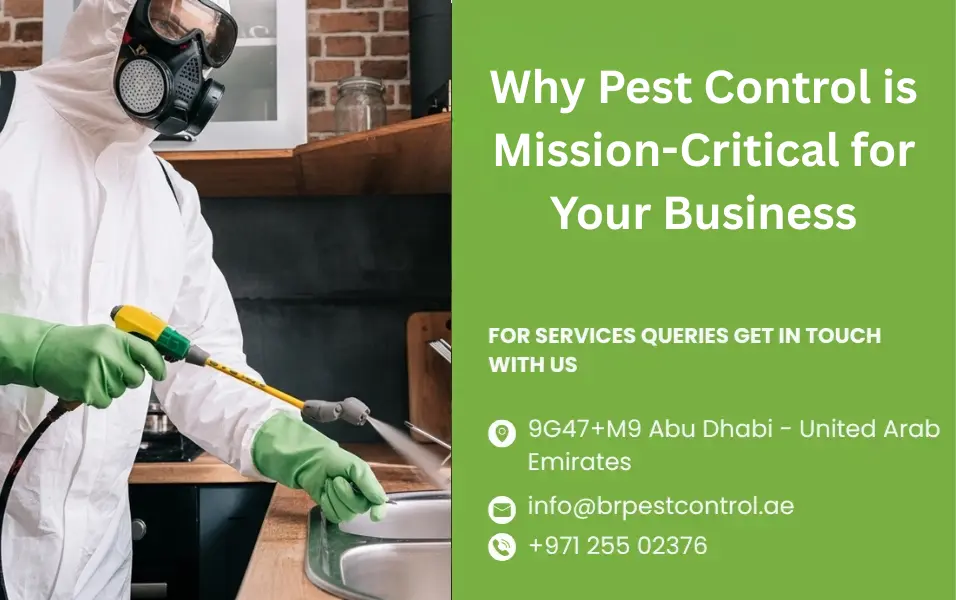
Pest control is not just an optional service but a mission-critical part of maintaining a safe, professional and reputable business environment. Pests can cause financial losses, reputational damage, health hazards and legal issues if left unchecked. Whether you run a small retail shop or a large industrial facility, proactive pest management protects your employees, your customers and the future of your brand.
A clean and pest-free workplace reflects your company’s standards and ensures long-term success. Prioritizing prevention, working with professionals and maintaining good hygiene practices together create the strongest defense against pests.