Many people worry about the safety of pest control treatments, especially when they have children, pets or elderly family members at home. With so many chemicals and products available, it is natural to wonder whether these treatments can be harmful to humans. The good news is that modern pest control methods are designed with safety in mind, and when carried out by trained professionals, they pose very minimal risk.
This article explains how pest control treatments work, what safety guidelines are followed, potential risks, steps you can take to protect your household and why professional services are generally safer than DIY solutions.
The simple answer is yes. Professional pest control is the most effective and reliable way to remove bed bugs completely, especially when dealing with moderate or severe infestations. This article explains how pest control targets bed bugs, what treatment methods are used, why DIY solutions fail and what you can expect during the removal process.
Contents
- 1 Understanding How Modern Pest Control Works
- 2 Are Pest Control Chemicals Harmful to Humans
- 3 Why Professional Pest Control Is Safer Than DIY Methods
- 4 Safety Measures Professionals Use During Pest Control
- 5 What You Should Do Before and After Pest Control
- 6 Are There Natural or Eco Friendly Pest Control Options
- 7 When Pest Control Could Become Harmful
- 8 Is Pest Control Safe for Children and Pets
- 9 Conclusion
Understanding How Modern Pest Control Works
Today’s pest control industry uses advanced science to create treatments that are both effective and safe. Gone are the days of extremely harsh chemicals being applied without proper regulation. Modern products are approved for residential and commercial use and are carefully tested before being introduced to the public.
Low Toxicity Formulas
Most professional pest control products are formulated to target insects while remaining safe for humans when used correctly. They often have low levels of toxicity and break down quickly in the environment.
Targeted Application
Professionals apply treatments in specific areas where pests are active rather than spraying large amounts of chemicals everywhere. This reduces human exposure and increases treatment effectiveness.
Strict Guidelines and Regulations
Reputable pest control companies follow guidelines set by health and environmental authorities. These rules ensure that products are applied safely and in appropriate quantities.
Are Pest Control Chemicals Harmful to Humans
Pest control treatments are generally safe, but this depends on how they are used. Misuse, overapplication or poor-quality products can cause irritation or mild symptoms in some cases. This is why following safety instructions and relying on trained specialists is important.
Potential Short-Term Effects
Some people may experience temporary reactions such as:
- Mild skin irritation
• Watery eyes
• Slight headaches
• Light coughing due to smell
These symptoms usually happen only if a person is sensitive to chemicals or stays in the room during treatment. They disappear quickly once the area is ventilated.
Long-Term Effects
Approved pest control chemicals do not pose long-term health risks when applied properly. They are designed to break down safely after doing their job. This makes them suitable for homes, schools, offices and hospitality environments.
Sensitive Groups
Extra care is recommended for:
- Pregnant women
• Infants
• Elderly individuals
• People with allergies or asthma
• Pets with respiratory sensitivity
In such cases, professionals may recommend leaving the treated area for a short duration until the product settles.
Why Professional Pest Control Is Safer Than DIY Methods
DIY pest treatments often look convenient, but they come with safety risks because most people do not understand how to apply chemicals correctly.
Overapplication Risks
Many store-bought products are overused by homeowners because they believe more product means stronger results. In reality, overuse increases human exposure unnecessarily.
Lower Quality Products
Some DIY sprays are not as strictly regulated as professional-grade treatments. They may contain chemicals that irritate the skin or respiratory system more easily.
Incorrect Application
Pest control requires precision. Applying chemicals in the wrong spots or using the wrong amount can increase health risks and reduce effectiveness.
Professional technicians are trained to apply treatments safely, minimize exposure and follow strict procedures.
Safety Measures Professionals Use During Pest Control
Modern pest control companies take several steps to ensure treatments are safe for humans and pets.
Pre Treatment Inspection
Professionals inspect the property to understand the infestation type, product requirements and any special precautions needed. This ensures that the treatment is tailored and not excessive.
Controlled Product Use
Technicians use controlled amounts of chemicals in targeted locations. They often treat cracks, corners, exterior walls and hidden zones where humans have minimal contact.
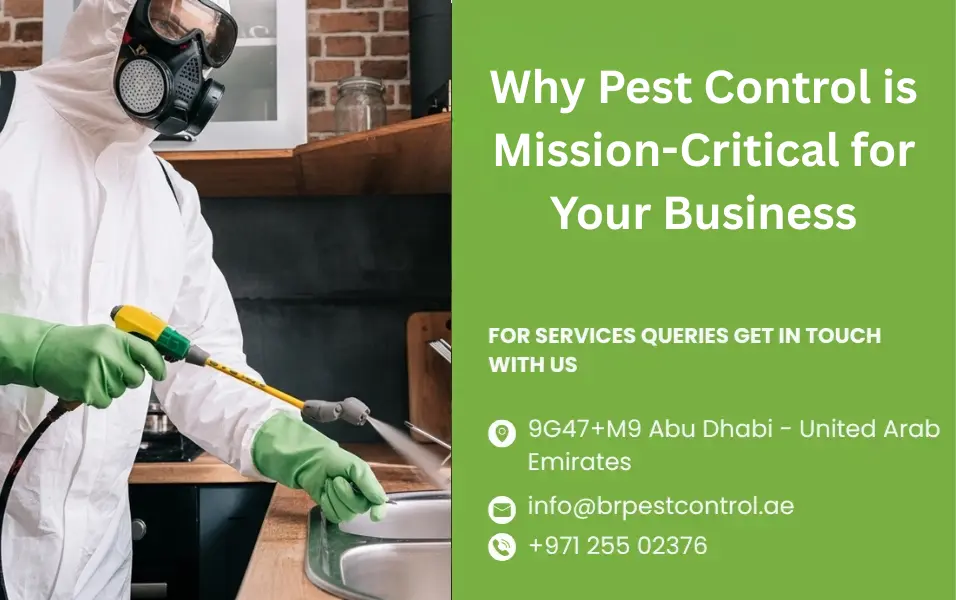
Equipment and Protective Gear
Specialized tools help apply treatments safely. Technicians also use protective gear to avoid any direct exposure.
Clear Safety Instructions
After treatment, professionals give you guidelines such as:
- How long to stay out of the treated room
• When to ventilate the home
• When it is safe for children and pets to return
• Cleaning instructions if required
Following these instructions ensures maximum safety.
What You Should Do Before and After Pest Control
There are simple steps homeowners can take to make pest control even safer.
Before Treatment
- Cover or store food securely
• Keep dishes inside cabinets
• Remove pets from treated rooms
• Lift lightweight items off the floor
• Inform the technician of any allergies or medical concerns
These steps help prevent accidental contact with treatment materials.
After Treatment
- Stay outside the treated area for the recommended time
• Ventilate the home by opening windows
• Wipe kitchen counters if the technician advises
• Wash pet bedding if needed
Once the product settles, everyday activities can continue normally.
Are There Natural or Eco Friendly Pest Control Options
Yes, many companies offer greener alternatives. These treatments are made from plant based ingredients and are suitable for people who prefer low chemical exposure. Natural treatments may include essential oils, mineral based powders and organic sprays. While they are safer, they may require more frequent applications.
When Pest Control Could Become Harmful
Although professional pest control is safe, problems can occur if:
- Untrained individuals apply chemicals
• Low quality or banned products are used
• Excessive amounts of chemicals are sprayed
• Safety instructions are ignored
This is why choosing a licensed and reputable pest control provider is essential.
Is Pest Control Safe for Children and Pets
Yes, pest control is safe for children and pets as long as guidelines are followed. Professionals ensure the treatment is applied in areas where kids and animals have minimal contact. They may advise temporary relocation for added safety. Once the treated surfaces dry, the risk becomes extremely low.
Conclusion
Pest control is generally safe for humans when performed by trained and licensed professionals using approved products. Modern pest control treatments are designed to target pests effectively while minimizing risks to people, pets and the environment. Following simple safety steps before and after treatment ensures a comfortable and protected home.
If you have concerns about chemical sensitivity, special health conditions or pets, you can always discuss them with the technician. With the right precautions and professional guidance, pest control remains one of the safest and most reliable ways to protect your living space from harmful pests.