

If you’re wondering how termites manage to enter your home, this guide will help you understand their behavior, identify entry points, and learn how to prevent them.
For professional help, contact BR Pest Control — experts in pest control in UAE, offering specialized anti-termite treatment services for long-term protection.
Contents
Why Termites Invade Homes
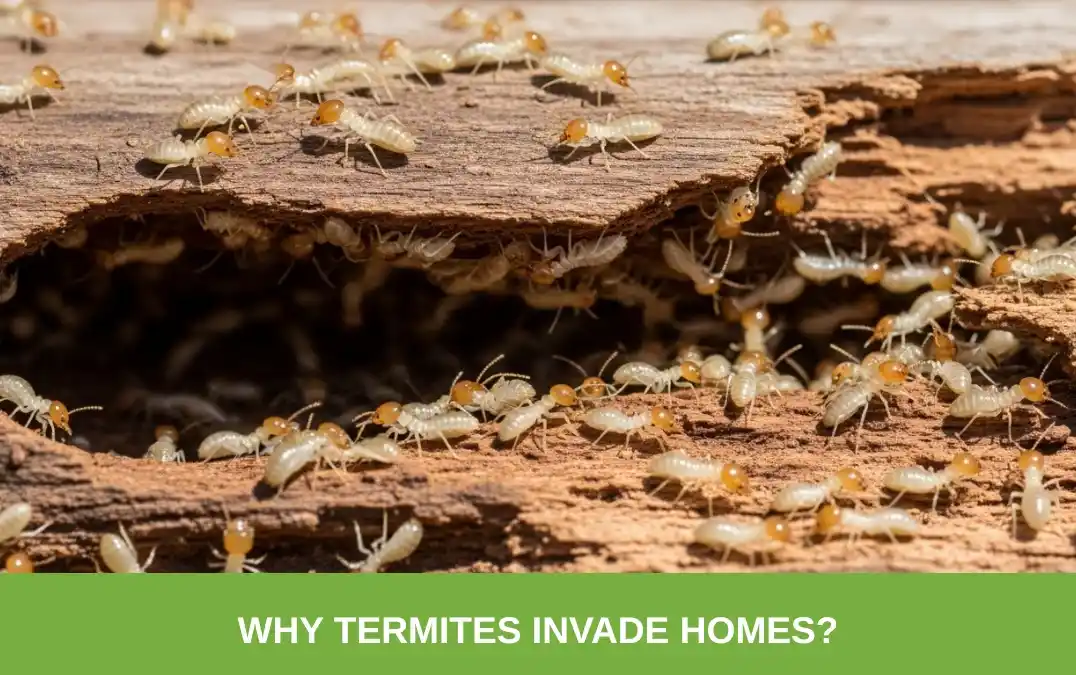
Termites are attracted to specific conditions around and inside your home. They enter when your property provides:
- Food: Wood, paper, and other cellulose-based materials.
- Moisture: Leaks, damp soil, and humid areas.
- Shelter: Hidden or dark spaces where they can stay protected.
When your house meets these three factors, it becomes the perfect environment for termite colonies to grow and thrive.
Main Entry Routes for Termites
Termites are small but highly strategic. Below are the most common ways they gain access to your home, along with practical prevention tips.
1. Cracks and Gaps in the Foundation
Subterranean termites can squeeze through tiny cracks in concrete slabs or around plumbing penetrations.
- Cracks in the foundation, joints, or basement walls.
- Gaps around water pipes, electrical conduits, or utility lines.
- Unsealed expansion joints and floor tiles.
Prevention Tip: Regularly inspect and seal any visible cracks or openings around your home’s foundation.
2. Wood-to-Soil Contact
When wood touches the ground, it acts like a bridge for termites to enter.
- Deck posts, fences, or stairs in direct contact with soil.
- Wooden cladding or siding extending too low.
- Firewood or wooden debris leaning on exterior walls.
Prevention Tip: Keep at least 6 inches (15 cm) of clearance between soil and any wooden element.
3. Moisture and Damp Areas
Moisture is one of the strongest termite attractants.
- Leaky plumbing or air conditioning pipes.
- Poor drainage around the foundation.
- Clogged gutters and downspouts.
Prevention Tip: Fix leaks immediately and ensure proper drainage around your home.
4. Mud Tubes and Hidden Pathways
Subterranean termites create mud tubes to travel from soil to wood safely. These tubes protect them from sunlight and predators.
- Usually seen on walls, crawl spaces, or near foundation edges.
Prevention Tip: If you find mud tubes, avoid breaking them — contact BR Pest Control immediately for inspection and treatment.
5. Swarming and Drywood Termites
Some termite species, like drywood termites, don’t rely on soil. They enter through the air.
- Flying termites (swarmers) enter through open vents or windows.
- Infested furniture or wooden items brought into your home can carry termites.
Prevention Tip: Seal vents, inspect used furniture before bringing it inside, and install fine mesh screens where possible.
Termite Entry Comparison Table
| Entry Route | Typical Species | How They Enter | Key Risk Factor |
| Cracks in Foundation | Subterranean | Through small cracks and gaps | Poor sealing, aging concrete |
| Wood-to-Soil Contact | Subterranean | Wood touches soil directly | Decks, fences, or siding near ground |
| Moisture & Damp Areas | Subterranean/Dampwood | Damp wood and humid foundations | Leaks, poor ventilation, wet soil |
| Mud Tubes & Travel Paths | Subterranean | Build tunnels from soil to wood | Often hidden and hard to detect |
| Flying Termites (Swarmers) | Drywood | Through vents, windows, or infested items | No soil contact needed |
Common Weak Points in UAE Homes
In the UAE, where warm and humid conditions prevail, termites are especially active. Here are frequent problem areas where infestations start:
- Cracked foundations or broken tile joints.
- Wooden pergolas, decks, or garden borders touching soil.
- Landscaping mulch or garden beds close to house walls.
- Leaking outdoor taps or irrigation systems.
- Firewood stacked against the exterior wall.
Early Signs of Termite Entry
Spotting termites early can save you from costly damage. Watch out for:
- Mud tubes on walls or near foundations.
- Discarded wings around windows or door frames.
- Hollow-sounding wood when tapped.
- Blistered or uneven paint surfaces.
- Droppings that look like sawdust near wooden structures.
If you notice these, schedule a termite inspection immediately.
Termite Prevention Checklist
- Maintain proper soil clearance under wooden elements.
- Fix leaks and control humidity inside your home.
- Keep gutters and drains clean.
- Avoid stacking firewood near your walls.
- Seal all visible foundation cracks.
- Ensure proper ventilation in crawl spaces and attics.
- Schedule regular professional inspections with BR Pest Control.
Why Professional Help Is Essential
Even with all precautions, termites can still find a way in. Professional pest control experts can:
- Detect hidden entry points using specialized tools.
- Apply long-lasting soil barriers and baiting systems.
- Treat infested wood safely and effectively.
- Offer maintenance plans for continued protection.
To ensure total protection, contact BR Pest Control for their Anti-Termite Treatment Service and customized termite management plans.
Final Thoughts
Understanding how termites get into your house helps you protect it better.
Regular inspection, moisture control, and professional prevention are the best defenses against these silent destroyers.
Stay proactive — and if you suspect termite activity, book an inspection with BR Pest Control today to keep your home safe and termite-free.